
Some problems can’t be solved with delight. How a city’s residents come to trust climate science. How a museum serves everyone who walks through its doors. How a museum lets the deep past inform the future. How the public learns to live alongside intelligent machines. These problems share a shape: they belong to everyone, they resist easy telling, and they defeat the industry’s usual measures — engagement metrics can’t tell you whether anyone changed their mind. Measuring that takes research-grade methods.
Most experience studios sell immersion. Most research labs don’t ship installed work. Sitara exists in the gap: a practice that brings research-grade methods to public space, and builds the result to operate for a decade and beyond.
The problems we choose
Climate communication. Scientific literacy. Civic memory. Cultural participation for audiences the dominant design vocabulary excludes. We select for problems where the outcome that matters — understanding, reflection, participation — is exactly what ordinary commercial-experience methods neither design for nor measure.
The discipline we practice
We call it spatial human-computer interaction (HCI): designing the digital systems that live inside public buildings — the parts visitors touch, and the parts that keep everything running. It sits between architecture and media, and it’s what hard public problems require: understanding how people actually behave in a space rather than optimizing a metric, systems that respond in real time rather than play back a script, accessibility built into the interaction itself, and a working life of 12+ years rather than a product cycle. Our methods and findings are published — peer-reviewed, user-tested in public, free to check.
How we decide what to build
Design is never neutral, and we choose work by narrative content, not client purity. Alongside our public work we build for flagship commercial environments — held to the same ethics floor and the same engineering standard. The commitments that govern every project we take are public, dated, and reviewed annually.
The Team
A small, multidisciplinary team that designs, builds, and keeps public systems running.
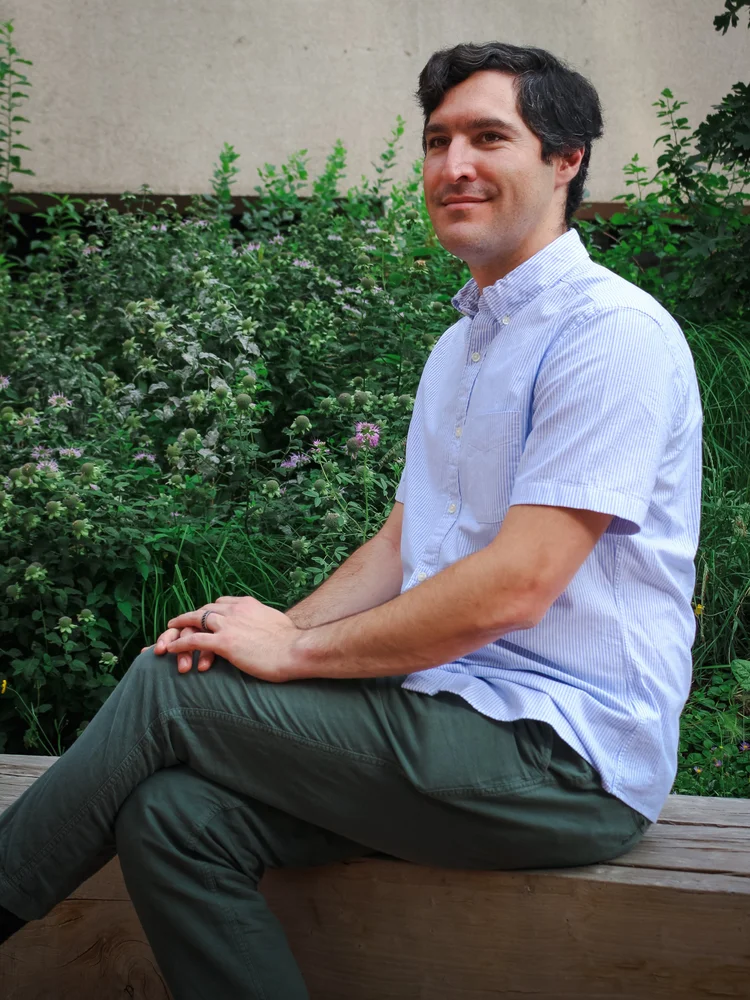
Nathan Lachenmyer
Nathan Lachenmyer is a Partner and Director of Technology at Sitara. An MIT-trained technologist with degrees in physics, computer science, and electrical engineering, Nathan leads Sitara’s practice of spatial HCI — the discipline of designing computational systems as part of the built environment. His work spans behavioral simulation (published at SIGGRAPH), institutional systems architecture, and the operational design that keeps public installations running long after opening day.
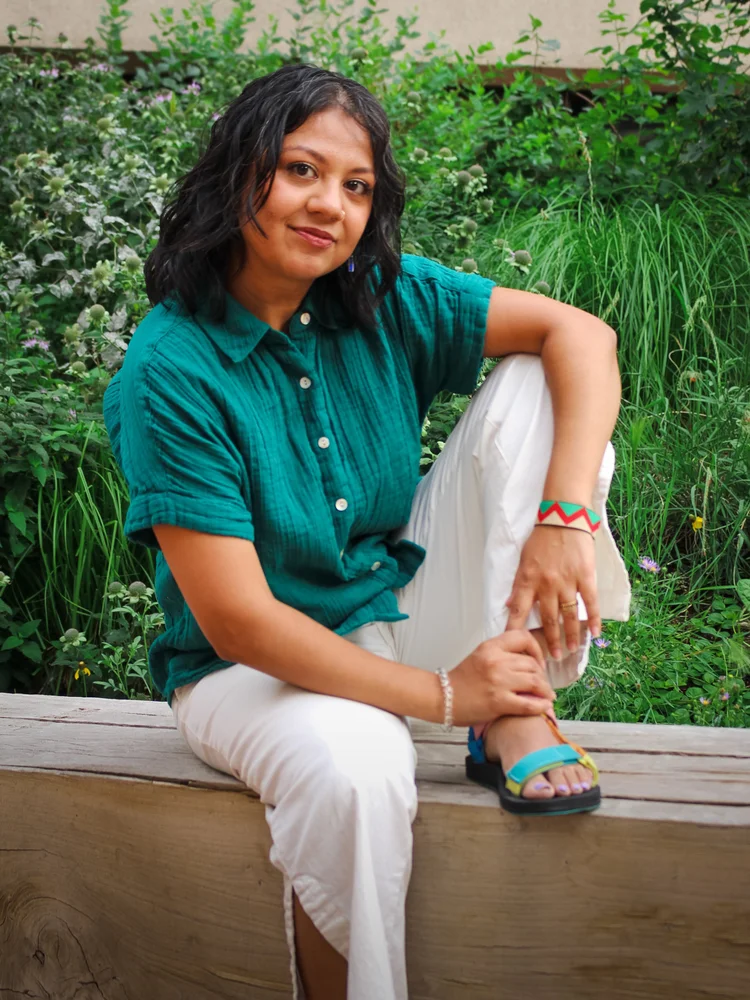
Sadiya Akasha
Sadiya Akasha is a Partner and Director of Product Development at Sitara. As an Agile professional, she has implemented the Scrum framework in projects ranging from molecular diagnostics to fundraising to community-serving nonprofit art. Originally from Karachi, Pakistan, growing up in a rapidly transforming country has given her a diversity of experiences and a global mindset. Sadiya uses the Agile approach to organizational thinking, her academic background in social psychology, and her wide-ranging experience to help organizations conceptualize and deliver technological solutions that can create real change. Systems that have to run for twelve years get built by teams that ship every two weeks — Sadiya’s delivery practice is what makes Sitara’s lifecycle promise real.
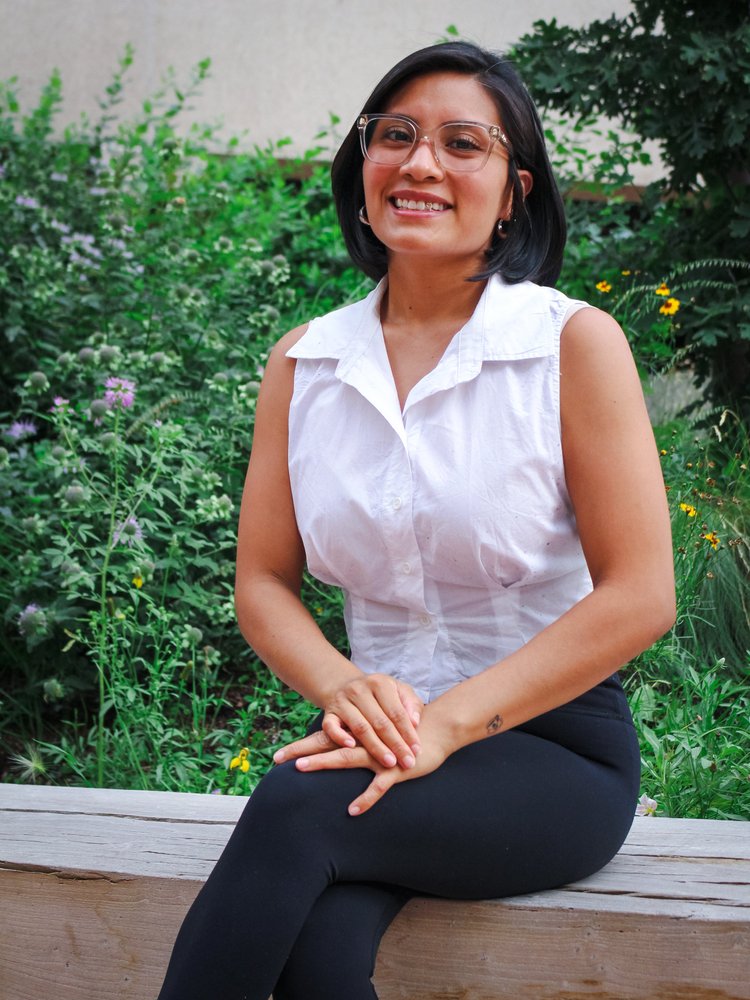

Anayely Cuacuamoxtla
Anayely Cuacuamoxtla is a Scrum Master and project manager who facilitates teamwork both within and outside the studio using the Agile methodology. With experience in museum curation as well as user experience design and research, Anayely keeps the team on track balancing multiple parallel projects.
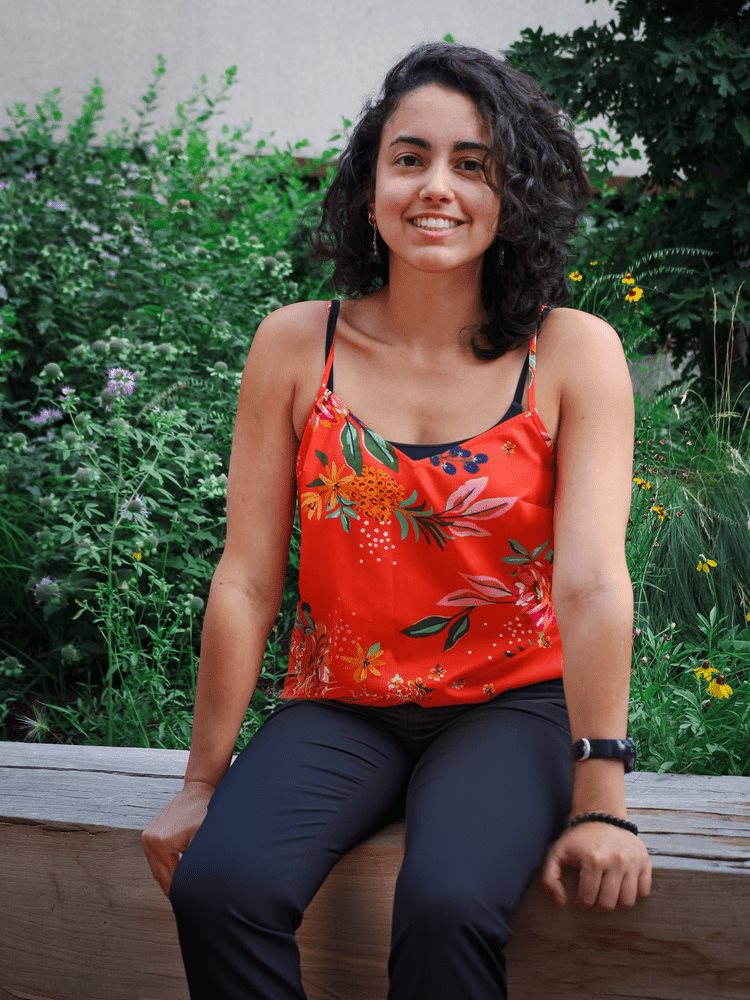
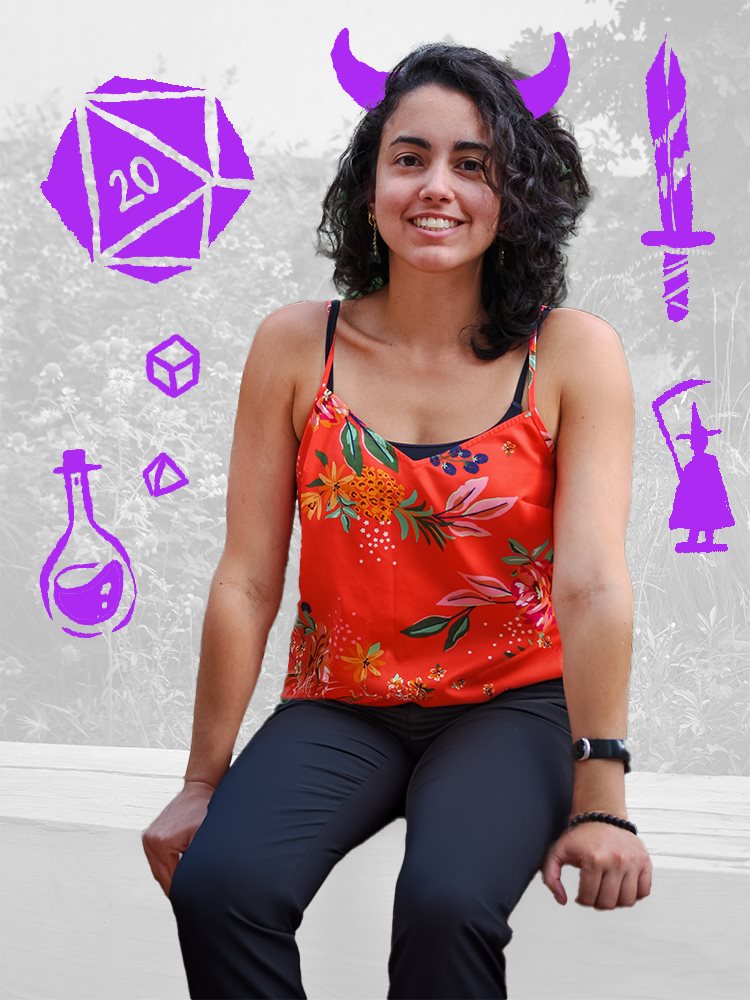
Flavia Cavalcanti
Flavia Cavalcanti is a Software Developer with a focus on creative approaches to education and information sharing. Her work includes education apps, drone flight control platforms, climate monitoring exchanges, and the Audio Dungeon application. She values out-of-the-box thinking and enjoys combining technical components into interactive systems people want to touch.


Iris Xie
Iris Xie is a Graphic Designer, illustrator, and animator with experience in social media, promotional branding, and publishing. Her curiosity about the world has led her to pursue informative and didactic design so she can create visually rich media that teaches. Iris’s work is featured at Dana-Farber Cancer Institute.
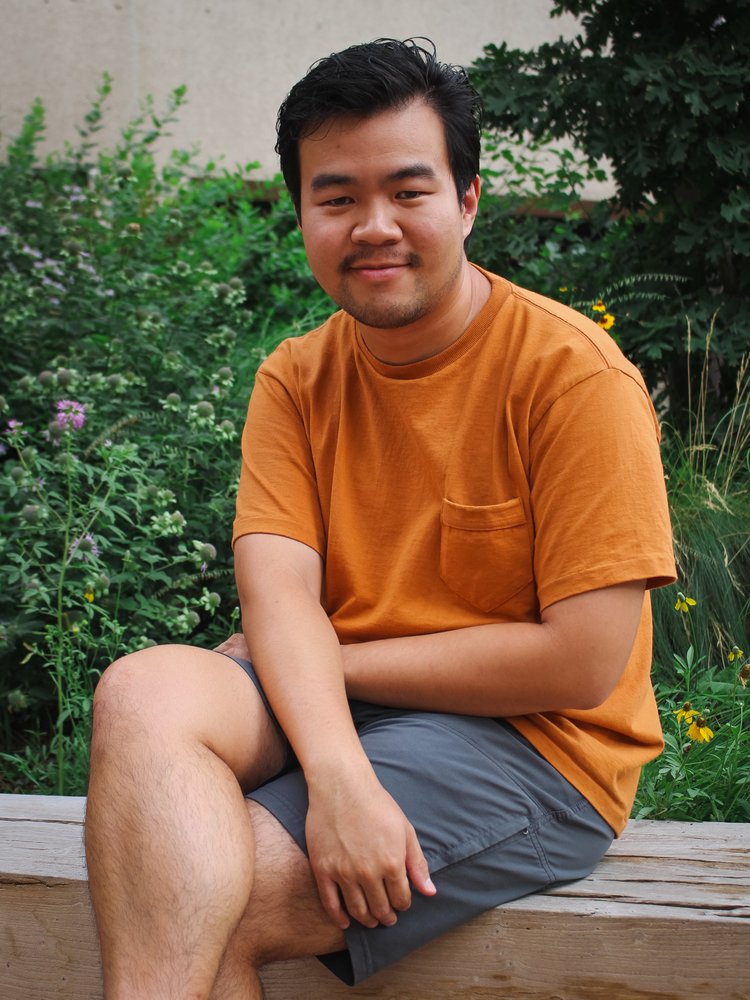
Jake Mu
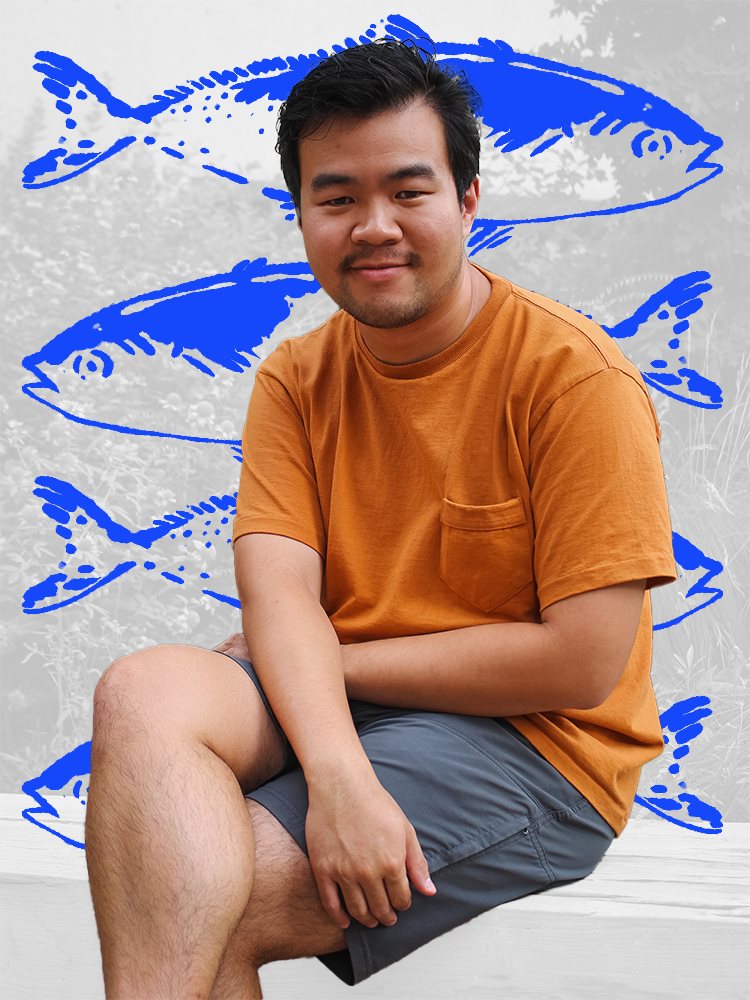
Jake Mu is a designer and technologist who translates complex ideas about history, art, and human society into interactive form. His background in concept design, branding, and software development shapes how Sitara’s work looks and feels.


Jane Meng
Jane Meng is a User Experience Designer whose work is grounded in research on user behavior, ergonomics, and multimedia. With training in interactive design from NYU Tisch School of the Arts, she designs interactions that bridge mediums, disciplines, and cultures.
Sophie Lindheimer
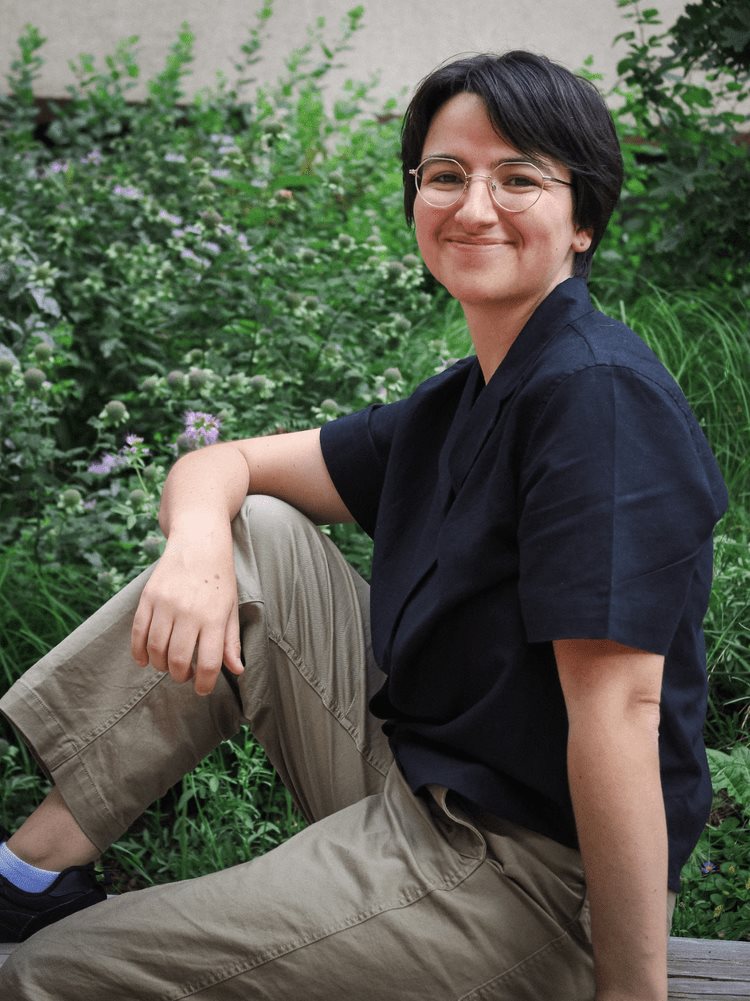
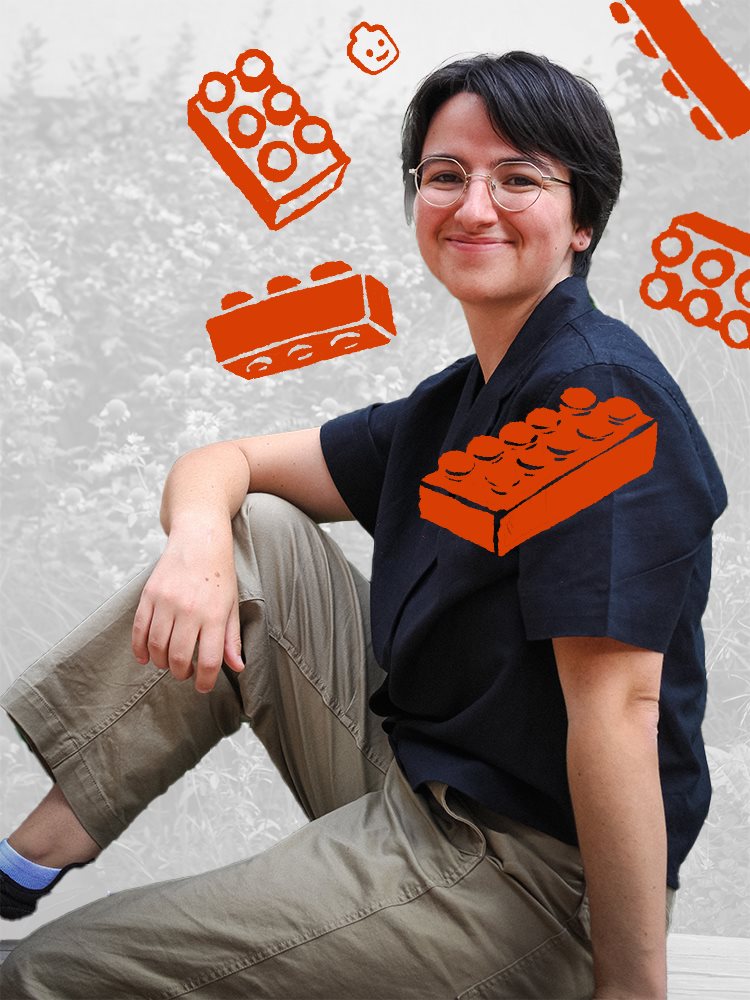
Sophie Lindheimer is a User Experience Designer and maker who uses a wide range of tools and skills to build interfaces that blend creativity and functionality. With training in architecture and a portfolio spanning 3D printing, augmented reality, and social media, Sophie crafts interactive work that is intuitive and inviting. She finds that the most interesting work happens when she embraces the unexpected and explores the unknown.
Sray Martin
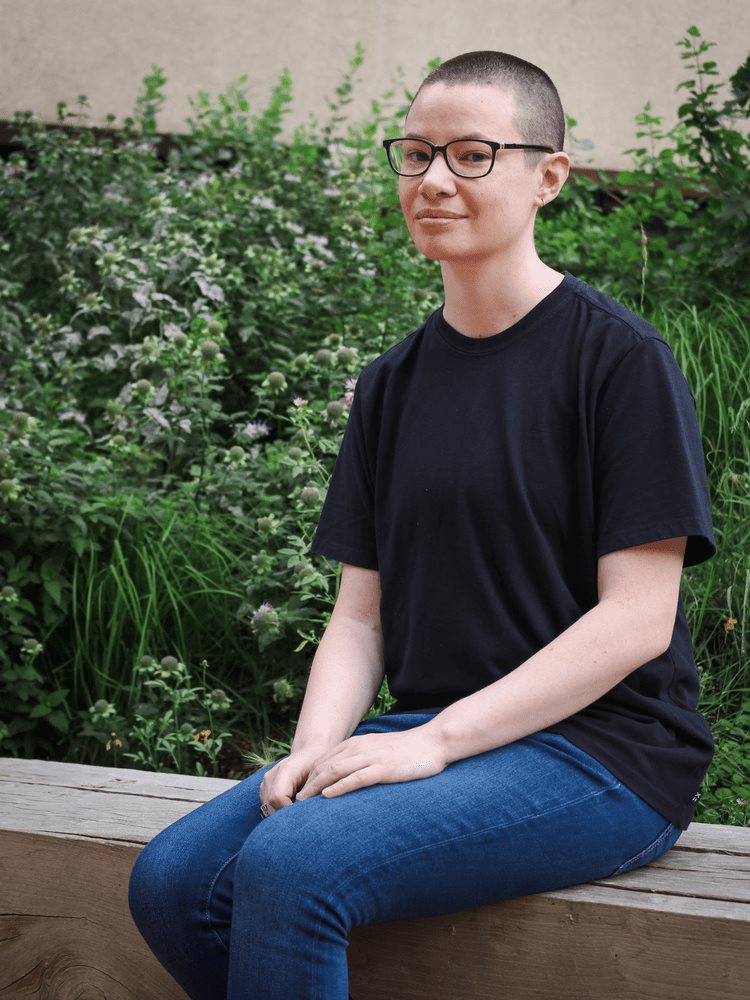
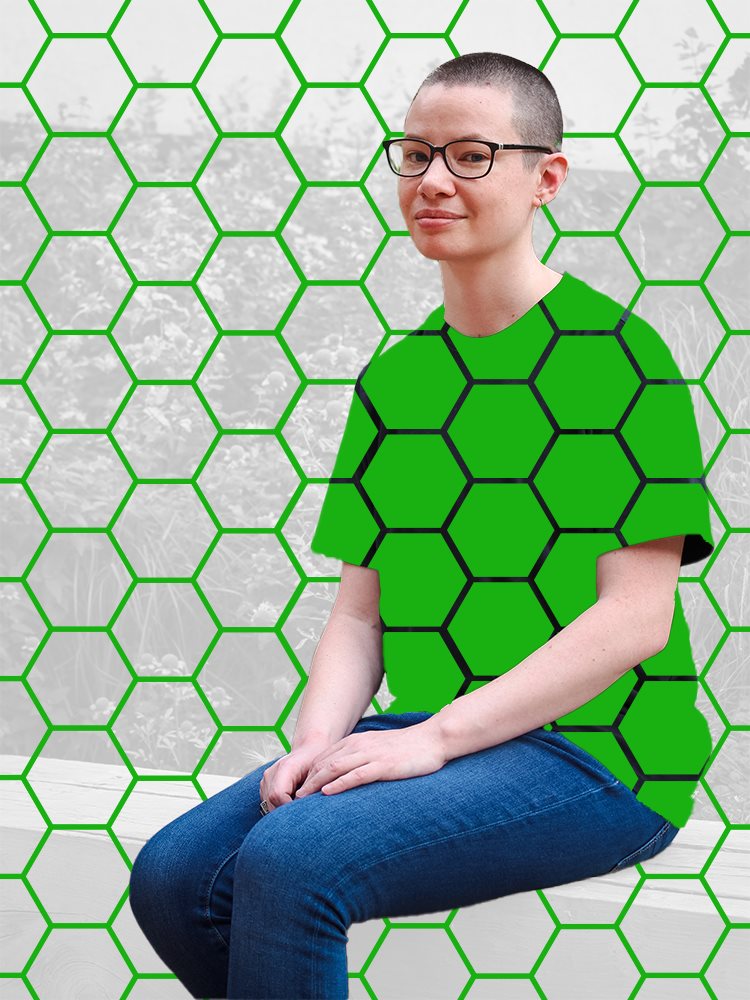
Sray Martin is a Writer and Editor with a background in science and engineering. They work with researchers in academic, industrial, commercial, and personal contexts, helping to identify and express the most important information in clear and vibrant language. Sray’s experience with academic work, advertising, creative writing, and literature motivates them to seek focus and accuracy, without sacrificing style or fun.